Melbourne Sports Team Portraits: Lighting, Poses, and Team Energy
Getting a great sports team portrait in Melbourne is less about owning the biggest camera and more about controlling the day. The light changes fast, the venue breathes with its own noise, and every player arrives with a different mood, routine, and level of confidence. I have photographed clubs across winter nights and summer afternoons, indoors and out, and the difference between a flat, “we stood here” image and a portrait that feels alive comes down to three things: lighting decisions that behave, posing that respects how athletes actually move, and the team energy you manage from the first minute on site.
This is a practical field guide, written from that messy, real-world space where you are negotiating time, space, and personalities while trying to make everyone look sharp in one frame. If you are searching for sports team portraits Melbourne or a photographer melbourne who understands the tempo of sport, start with the foundations below. They will save you hours of reshoots and a lot of awkward regrouping later.
The real goal: one image that feels like a moment
A team portrait has to do something personal and something functional at the same time. It needs to read as a group, not a lineup of strangers. It also needs to match the sport’s visual language. A football team should look grounded and ready to explode forward. A netball side should feel crisp and upright, with spacing that doesn’t look accidental. A cricket squad should carry that mix of focus and relaxed confidence, not stiffness.
The first trick is to decide what “motion” means for your sport. Motion does not have to be a running action shot. It can be the angle of a chin, the way shoulders set, the tension in hands around a ball, or the pause just before a chant. When we nail that pause, the portrait stops looking posed and starts looking intentional.
From there, lighting becomes your best friend, because light is what shapes mood fastest. A harsh, overhead source creates stress in faces. Side light can feel cinematic but can also flatten torsos if you do not control spill. Backlight can look incredible, yet it can turn skin tones into silhouettes if you do not meter carefully. In Melbourne, where weather can shift like someone flicked a switch, you need lighting plans that survive the change.
Melbourne light: the weather doesn’t ask for your schedule
Outdoor team portraits in Melbourne are where your timing matters most. The sun can be gorgeous at the start and then suddenly sharpen into something that blows out foreheads and creates deep under-eye shadows. Wind, cloud cover, and reflections from nearby surfaces can also shift the colour temperature without warning.
A practical rule I use is to treat “golden hour” as a range, not a moment. If you wait for perfect, you will lose the group’s energy, and players will start fidgeting, checking phones, or slumping in boredom. Instead, I aim for a controlled window where the light is soft enough to flatter and consistent enough to repeat across multiple attempts.
When clouds roll in, you get a gift and a complication. Soft light is flattering, but the contrast can drop, and faces look less modelled. That means you may need to add a touch of fill or adjust exposure so skin stays alive. Indoors, you face the opposite problem: artificial light that is bright but not flattering, sometimes mixed colours from different fixtures. If you are shooting in a gym or function space, you will often fight mixed temperature sources, and skin can end up too warm or too cool unless you lock your white balance early and stick with it.
If you are hiring a sports photographer in Melbourne, ask how they handle changing conditions. The best answer is not “we will see on the day.” It is “we have a plan A and plan B, and we know how to keep exposure and skin tones consistent.”
Lighting setups that work for groups (and keep everyone flattering)
Team portraits are uniquely difficult because you need even coverage across a wide depth of field, different heights, and bodies that move. A single spotlight look often falls apart because one row gets crushed by shadows while another row gets overexposed.
Instead, I build lighting that behaves like a wall of light, not a single beam.
Option 1: soft outdoor shade with controlled contrast
On bright days, the most consistent solution is finding open shade. Think under an awning, beside a building, or near a tree line that provides diffusion. Then I add direction. Even in shade, you can create sculpting by positioning the group slightly toward a brighter patch of sky or by using a reflector to lift the darker side of faces.
This approach is forgiving for big squads, because you can move players into the same light pattern. You also keep the process quick, which matters when you have fifteen minutes before training starts.
Option 2: off camera flash for consistency and crispness
When the weather refuses to cooperate or the light is too contrasty, off camera flash is the cleanest path to a reliable final set. I commonly use a soft modifier like an umbrella or large diffuser, but the key is placement. You cannot just blast from anywhere and expect even skin tones.
You want the light to come from a direction that supports natural facial structure. For groups, I usually create a main light at an angle and a reflector or second light to manage shadows on the far side. If you are working with a photographer melbourne, this is where experience shows, because it is less about the gear and more about eye level, distances, and how much ambient light you allow to stay.
Option 3: continuous LED for indoor clarity
Indoor portrait work is often about speed and control. Continuous LEDs help because you can see what the light is doing before you take the shot. The trade-off is output. Big groups need enough power to overpower mixed lighting. If your LED is underpowered, you will end up increasing ISO and lowering shutter speed, and that is how “almost sharp” turns into “soft faces,” especially with kids or athletes who never fully stop moving.
In indoor arenas, if I use continuous, I treat it like a tool for shaping, not overpowering. I keep the shutter speed high enough to freeze subtle motion and I manage white balance so skin tones remain consistent across the gallery.
Posing athletes: stop asking for “stand up straight”
Posing a team is where most portraits either succeed or feel awkward. The classic instructions, “stand straight,” “smile,” “hold still,” they sound fine but they ignore the way athletes carry themselves. Athletes do not stand like mannequins. They stack weight, relax shoulders between bursts, and shift stance when they hear something funny.
When I pose a team, I build the instructions around athletic posture. That might mean asking players to place their feet in a stable stance rather than locking knees. It might mean setting shoulders and then letting arms fall naturally with the appropriate tension. It might also mean using hands intentionally, like resting gloves on thighs, holding bats at an angle, or keeping one arm across a jersey seam to frame the torso.
The other part is spacing. A team portrait is a puzzle. If you leave gaps randomly, the image looks sparse. If you pack too tightly, people start leaning into each other, and the photo looks like a group shot at a bus stop.
A good spacing strategy also accounts for height differences. When there is a tall player and a shorter player in the same row, you need to stagger positions. It can be subtle, but it makes a huge difference in how faces align and how the group reads as a unit.
Here is the brief checklist I follow to keep posing from turning chaotic:
- Decide the “front line” positions first, then build the rows behind them
- Use a slight stagger, not a perfect grid
- Set chin angles before you adjust hands or arms
- Lock the stance, then loosen the shoulders so faces look relaxed
- Confirm spacing by checking from the camera angle, not just by eye
Managing energy: the photographer’s job starts before the shutter
Team energy is a real technical factor. If the group is flat, your lighting will look bland. If players are wound up and restless, your best setup still produces blurry faces or awkward expressions.
I treat the first few minutes like rehearsal, not a formality. I introduce myself, explain what we are doing, and then I give the team a reason to feel comfortable in front of the camera. That can be as simple as letting the captain position the group for the first frame, or it can be an easy prompt that gets reactions without breaking focus.
One useful trick is to break the portrait into short attempts. Instead of taking the whole shoot as one long ordeal, you capture a set of “base frames,” then do small adjustments. Maybe you straighten spacing by half a step, maybe you rotate shoulders toward the light, maybe you change the angle of a gesture. Each adjustment is quick, and the team learns that they do not have to stay in one rigid pose for an entire segment.
When you get a good expression from a few players, keep going. Do not roll the dice and wait for everyone to look perfect at once, because some will inevitably look at the wrong moment or blink mid click. Experience tells you to plan your shooting cadence so you collect variety: one calm, one intense, one slightly more relaxed.
Camera settings and sharpness: where sharp portraits are really won
Sports portraits are vulnerable to blur from two sources: movement and focus errors. Even if players are “holding still,” faces move. Heads tilt, eyes move, shoulders breathe, and someone always sways because standing is uncomfortable.
A conservative approach is to prioritize shutter speed. The faster your shutter, the more forgiving the pose becomes. If you are working outdoors in bright light, it is usually easy to keep shutter speed high. Indoors, you will fight for it, especially with mixed ambient light.
Focus strategy matters just as much. For team portraits, I often aim for the front row faces, because if those are sharp, the image reads as intentional. If you focus on a person in the back row and the front row softens, the portrait can look like a missed moment even if the back is sharp.
Also watch depth of field. You might assume you need a deep focus to cover everyone. But in group portraits, extremely narrow depth of field can actually reduce your hit rate because tiny shifts between “almost” and “actually sharp” are more likely. I find a balance based on lens choice and distance, and I adjust depending on group size and how tightly people are arranged.
The captain and the first row: where the portrait’s personality lives
A team portrait needs a focal point. Often that is the captain, or it is the front row. Either way, you should treat that area as your “hero zone.” If the hero zone looks right, small issues elsewhere can be forgiven.
I usually start with the front row and the most central face. We confirm their chin angle, their eye direction, and the expression. Then we place adjacent players so their faces sit at similar angles relative to the camera. This reduces that common problem where one person looks “on axis” while the next turns slightly and suddenly the lighting looks different across the front row.
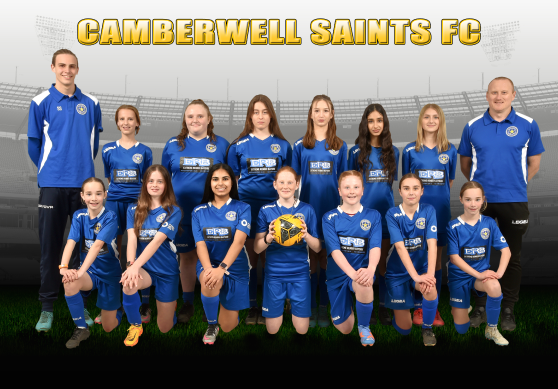
There is also a psychological piece. When the team sees the front row being carefully guided, they relax. When they feel like they are being herded without intention, you get stiffness.
If you are photographing a club in Melbourne, this is also a way to honour hierarchy. Coaches and captains care about how they look in the story of the team. The best portraits feel like a record of belonging, not just a marketing asset.
Weather and venue problems, and how to handle them without breaking the shoot
Even with careful planning, Melbourne throws curveballs. Here are the most common issues I run into and how I handle them without turning the session into a panic.
If wind is pushing hair into faces, you can shoot through it but you cannot ignore it. Wind also changes umbrella position and can shift modifiers outdoors. I watch for patterns. If gusts come in cycles, I wait for the brief calm, shoot a set, then reframe if needed. If the wind is constant, it is often faster to switch to an indoor or sheltered location. That decision can save more time than trying to “beat the wind” with repeated frames.
If a venue has cluttered backgrounds, you need to be ruthless about composition. Team portraits are not a place for busy signage behind heads. Sometimes a simple shift of camera angle can clean the background entirely. If not, you can use tighter framing, or you can place the team at a slight distance from the wall so the background falls away naturally.
If the venue lighting is mixed and messy, you can still work, but you need discipline. Choose a white balance direction and stick to it. Then use your exposure choices to keep faces realistic. The goal is not to perfectly match every overhead fixture. The goal is to make skin tones look natural and consistent across the team.
A note on inclusivity and comfort, because it shows in the images
Athletes are different sizes, different confidence levels, and different comfort with posing. Some players love the camera. Others dread it. A professional sports photographer in Melbourne earns trust quickly by making space for those differences.
That means you do not force everyone into the same posture if it creates discomfort. If someone has to adjust their stance because of an old injury, you account for that. If a player feels awkward with a big grin, you give them prompts that suit their personality. A portrait does not have to be a movie trailer to look great. It just has to feel authentic.
Comfort also affects the micro-expressions that cameras capture. When people are relaxed, their eyes engage better, their shoulders settle, and the image reads as confident rather than performed.
When to do singles or “signature” shots alongside the team portrait
Team portraits are the main event, but the strongest galleries often include additional frames. Not a massive extra session, just enough variety to tell the story.
You might want a separate captain portrait, or a headshot for a club profile. You might want a shot of the whole team with a ball, jersey number grid, or banner element. Those details can elevate the portrait without complicating the primary lighting plan.
Here is how I balance it so the schedule stays sane:
- Take the team portraits first while energy is highest
- Capture the captain or key players immediately after, before people scatter
- Add signature elements only if they do not disrupt spacing
- Keep the “extra” segment short, then let the team move back to training
- Review a quick sample image on location to confirm exposure and skin tones
Editing and final delivery: consistency matters more than perfection
After the shoot, the work continues. For team portraits, editing is not about making everyone look like they belong in the same body. It is about keeping colour, contrast, and exposure consistent while preserving the texture of skin and the clarity of eyes.
The biggest affordable sports team portraits Melbourne editing risks are uneven brightness across rows and unnatural colour shifts. If you used flash and ambient together, it is common for the background to shift faster than skin tones during grading. You need to check the image across different lighting conditions and ensure the team still looks real when viewed on a phone.
Consistency also means reducing distractions. If one person’s hair covers their eyes in a key frame, you can sometimes choose a different frame instead of trying to fix it digitally. In team photography, selecting the right shot is often more valuable than heavy retouching.
What I look for in a “finished” Melbourne Sports Team Portrait
When a portrait works, it feels effortless even though it was built carefully. The players look connected, their spacing is intentional, and the light shapes faces without turning them into wax. The expressions are believable, not forced.
At a glance, you should be able to tell the sport. That is the real differentiator. Sports team portraits Melbourne can be gorgeous, but if the images do not carry the rhythm and attitude of the team, they do not land.
A successful set often has three qualities working together: the lighting is flattering and consistent, the posing respects athletic posture, and the overall frame captures team energy rather than individual awkwardness. The best photographers deliver not only technically solid images, but also a process that feels respectful and efficient.
If you are choosing a photographer melbourne for sports team portraits, pay attention to how they talk about the session. Do they ask about the venue and weather realities? sports photographer Do they mention spacing, positioning, and light direction? Do they talk about how they handle group sharpness and expression? Those details are the difference between a portrait that looks good and one that feels like your team.
Quick scenarios: different sports, different visual choices
Different sports come with different portrait expectations. A club that plays in winter nights will often prioritise dramatic lighting and crisp jersey texture. Junior teams might need extra patience with posing and simple direction, because movement and giggles are part of the real experience.
A football team might benefit from slight forward angles, hands positioned to frame shoulders, and light direction that creates contrast in jerseys and faces. A netball team might prefer clean lines, upright posture, and a background that keeps the frame neat. Cricket squads often look best with a relaxed confidence and careful control of shadows, especially if the team is outdoors with bright sky overhead.
The common thread is judgment. You do not apply one pose and one lighting recipe to every sport. You build the portrait around the team’s identity, the venue’s constraints, and the mood you want viewers to feel.
Final thoughts you can actually use
If you are planning sports team portraits, treat the day as a workflow. Decide early where the light will behave, plan for spacing like it is a design problem, and guide expression with short prompts instead of endless instructions. The best portraits look clean, but they are rarely effortless in the moment. They are the result of preparation and calm decision-making on site.
For athletes, the camera is just one more part of game day. For a photographer, it is a test of timing, empathy, and craft. When those align, the final images do more than document a season. They capture the collective readiness you only feel when a team believes in itself.
If you want your portraits to feel like that, focus on the fundamentals above, and hire someone who understands both the technical and the human side of the shoot. That combination is what turns Melbourne Sports Team Portraits into something players actually want to keep.
Pure Sport Images
23 Grandview Ave, Mulgrave VIC 3170, Australia
+61 413 157 614
[email protected]
Website: https://puresportimages.com.au/